Synthetic Grass vs Natural Lawn: Cost, Maintenance, and Water Savings Compared
Homeowners considering a lawn upgrade often compare artificial turf with living grass. This article explains cost ranges, maintenance differences, and water-use expectations so users can understand where each option performs best and why.
Upfront Cost and Synthetic Grass Installation
Synthetic lawn systems generally cost more to install than natural grass because installation involves site preparation, base materials, and turf placement. Even when installed professionally, the cost structure is predictable because the product is manufactured rather than grown.
Key considerations:
- Artificial turf typically requires excavation, a compacted sub-base, a weed barrier, and infill
- Professional installation is recommended for surface stability and drainage
- Purchase cost is primarily driven by turf quality, face weight, and square footage
- Labor costs are proportional to grading complexity, edges, and access restrictions
Natural grass installation costs vary widely because they depend on sod type, soil preparation, irrigation setup, and climate.
For natural lawns:
- Lower initial cost when compared with synthetic turf
- Sod varieties influence pricing and seasonal availability
- Irrigation installation creates additional material and labor expenses
- Seeding is cheaper but delivers delayed, variable results
Upfront cost differences matter most when budgets are short-term. Over time, replacement cycles, irrigation systems, and maintenance can narrow the gap.
Water Usage Characteristics
Artificial turf does not require watering aside from occasional rinsing for dust control. This reduces daily or weekly irrigation demands, particularly in drought-sensitive regions.
Key considerations:
- Water savings remain consistent year-round
- Eliminates irrigation scheduling, seasonal adjustments, and leak repairs
- Minor rinsing may be needed after pet activity
Natural lawns consume water at a rate determined by climate, species, soil, and irrigation efficiency.
For natural lawns:
- Irrigation frequency increases in hot or dry regions
- Water demand remains continuous to preserve color and plant health
- Water usage increases when soil infiltration is weak
Water reduction is the most consistent advantage of artificial turf. However, natural lawns support living ecosystems and respond to regional rainfall.
Ongoing Maintenance Requirements
Artificial turf eliminates mowing, fertilization, and seasonal renovation. Maintenance primarily involves keeping the surface clean and redistributing infill when required.
Key considerations:
- No mowing or fuel usage
- No pesticide or fertilizer inputs
- Occasional brushing helps fiber orientation
- Spot cleaning manages spills or organic buildup
Natural lawns require recurring tasks throughout the year to preserve density and avoid weed issues.
For natural lawns:
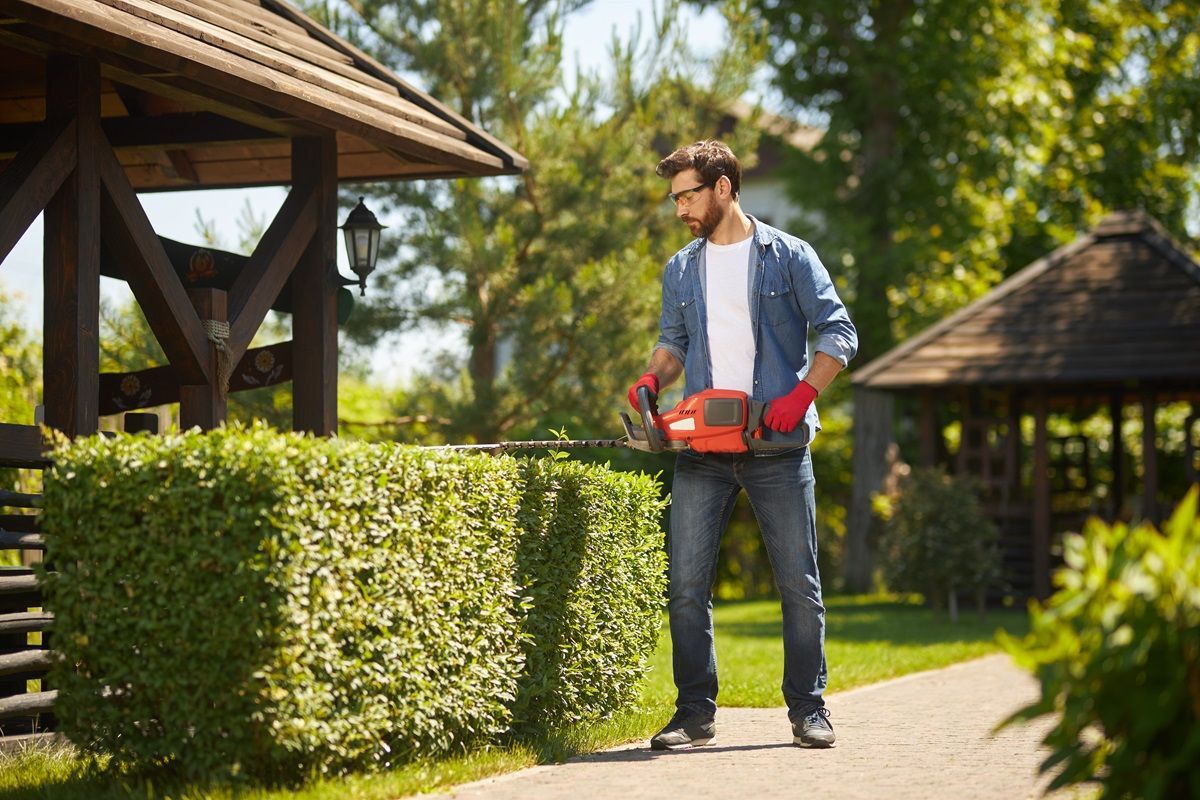
- Regular mowing based on seasonal growth
- Fertilizer inputs for color retention
- Aeration and dethatching for oxygen exchange
- Pesticide or herbicide controls to limit weed competition
Maintenance is the category where artificial turf provides operational simplicity. Natural lawns require routine inputs because they are living surfaces exposed to weather variability.
Durability Expectations
Synthetic turf systems are engineered for foot-traffic tolerance and seasonal consistency. They do not respond to drought stress or foot wear in the same way as live plants.
Key considerations:
- Fibers are UV-stabilized
- Sub-base avoids soil movement
- Infill provides support and shock absorption
- Lifespan depends on traffic intensity
Natural turf durability varies by grass type, root depth, climate, and usage.
For natural lawns:
- High-traffic locations thin quickly
- Dormancy may occur in winter or extreme heat
- Bare spots require overseeding
Durability comparisons depend on user habits. Synthetic turf remains stable under foot traffic, while natural lawns require recovery periods.
Surface Appearance and Performance
Synthetic turf offers consistent color and height regardless of climate. Performance is stable as long as infill support is maintained.
Key considerations:
- Color is uniform and manufactured
- Does not respond to seasonal light variation
- Heat retention increases on warm days
- The surface is even when installed correctly
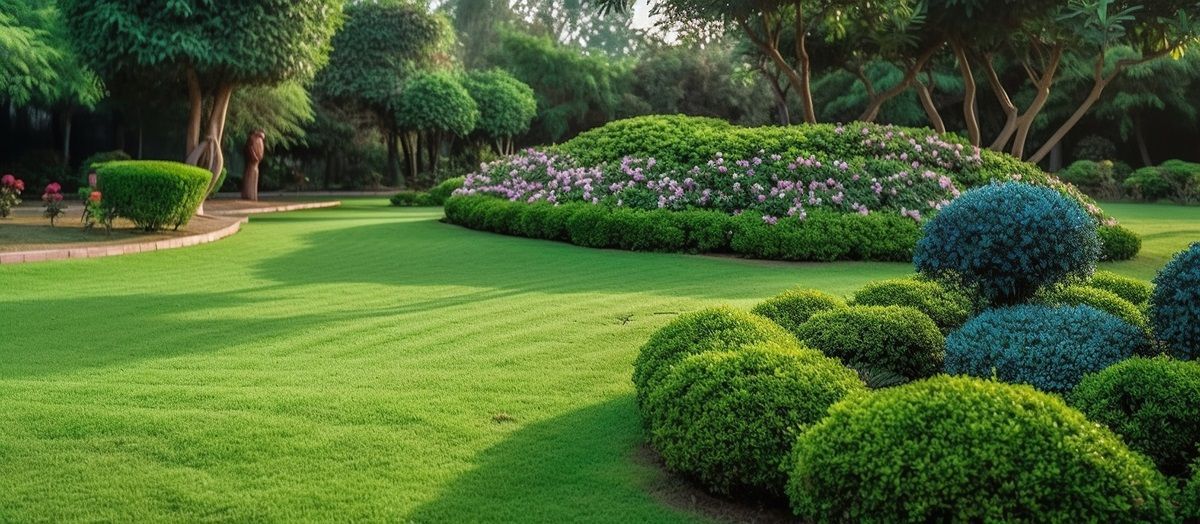
Natural lawns deliver organic variation and seasonal growth cycles. Appearance depends on care inputs and climate suitability.
For natural lawns:
- Color variation reflects plant health
- Seasonal dormancy influences appearance
- Uneven surfaces develop from soil settling
- Shade tolerance depends on species selection
Appearance selection depends on whether predictability or natural variation is preferred.
Environmental Considerations
Synthetic turf reduces water and fertilizer usage but introduces manufactured materials. End-of-life recycling options continue to develop across different markets.
Key considerations:
- No fertilizer runoff
- No weekly mowing emissions
- Contains plastics requiring disposal at replacement
Natural lawns provide habitat benefits but require resource inputs.
For natural lawns:
- Supports pollination depending on species selection
- Water usage increases consumption in dry regions
- Fertilizer and pesticides contribute to runoff concerns
Environmental decisions depend on local water laws, regional ecology, and personal maintenance capacity.
Use-Case Suitability
Artificial turf is frequently selected for areas where maintenance access is limited or where water use presents constraints.
Key considerations:
- Consistent sports surfaces
- Pet yards requiring surface durability
- Spaces without irrigation infrastructure
Natural lawns are selected where users prefer organic plant life and have predictable rainfall or irrigation access.
For natural lawns:
- Compatible with low-foot-traffic yards
- Effective when homeowners maintain soil health
- Useful where environmental regulations restrict synthetic installations
Suitability varies by region and performance expectations.
Long-Term Cost Outlook and Value
Artificial turf spreads cost over its lifespan with minimal recurring inputs. Long-term value depends on durability, infill condition, and replacement expectations.
Key considerations:
- Expense is front-loaded
- Minimal recurring maintenance
- Replacement cost applies at ethe nd of life
Natural turf costs accumulate over time through mowing, fertilization, water inputs, and seasonal renovation.
For natural lawns:
- Regular recurring expenses
- Variation depending on irrigation efficiency
- Seasonal recovery work
Long-term cost outcomes depend on whether water and maintenance are recurring cost concerns.
Considering Synthetic Grass Installation and Removal Options
Homeowners considering artificial turf should understand installation and future removal. The process is reversible but involves material handling.
Key considerations:
- Removal requires disposing of turf and infill
- Sub-base may remain for future surfaces
- Reinstallation follows similar steps
Natural lawns can be resodded or reseeded without material disposal.
For natural lawns:
- Easy surface renovation
- Overseeding refreshes density
- Sod strips deliver immediate coverage
Homeowners often evaluate future flexibility before selecting artificial turf. Landtech Scenery may address these procedural questions during consultation if users request guidance.
Situations Where Natural Grass May Be Preferred
Some properties benefit more from organic vegetation. Choice depends on climate, water availability, and landscape expectations.
Key considerations:
- Preferred where rainfall is sufficient
- Supports natural cooling and infiltration
- Allows soil biology to develop over time
Synthetic turf does not deliver evapotranspiration benefits or seasonal biodiversity. Natural lawns favor users who prefer environmental cycling.
Situations Where Synthetic Turf May Be Preferred
Artificial turf becomes more practical when watering restrictions or foot-traffic requirements create maintenance instability.
Key considerations:
- Consistent color in low-rainfall regions
- Minimal maintenance labor
- No irrigation infrastructure
Selection criteria reflect predictability rather than appearance preference.
Regional Regulations and Climate Influence
Some municipalities regulate artificial turf installations or require permeable bases. Regulations may address runoff, disposal, or appearance standards.
Key considerations:
- Permitting may vary
- Drainage plans may be required
- HOAs may restrict coverage
Natural lawns face water-use regulations in drought-sensitive regions.
For natural lawns:
- Watering schedules enforced
- Runoff rules apply
- Climate stress increases remediation costs
Climate alignment is a core selection factor.
Frequently Asked Questions
Is synthetic turf more expensive than natural sod?
Yes. It generally has a higher upfront cost and lower long-term maintenance expense.
Does artificial turf eliminate watering?
It eliminates irrigation but may require rinsing to manage dust or pet activity.
How long does synthetic turf usually last?
Lifespan depends on usage and product quality, typically measured in years rather than seasons.
Does natural grass require fertilization?
Yes. Seasonal nutrients are required for color retention, density, and recovery.
Will artificial turf get hot in summer?
It can retain heat on warm days because it does not transpire like living plants.
Can natural lawns recover from damage?
Yes. They can be repaired through overseeding, fertilization, and watering.
Is synthetic turf suitable for pets?
Yes. Pet areas require appropriate infill and periodic cleaning.
Does artificial turf support drainage?
Yes, when installed on a compacted, permeable base. Drainage performance depends on construction quality.
Final Consideration
Artificial turf emphasizes consistency, low maintenance, and reduced water use, while natural lawns provide an organic appearance and environmental interaction. The correct choice depends on climate, cost tolerance, and long-term expectations rather than appearance alone. Landtech Scenery may help homeowners evaluate installation conditions when users want professional guidance.