How Professional Hardscape Landscaping Transforms Outdoor Living Spaces
Professional hardscape landscaping improves the functionality, safety, and long-term usability of outdoor spaces. This article explains how hardscape planning works, the elements involved, practical benefits for homeowners, and considerations that help determine suitability.
What Are Hardscape Landscape Services?
Hardscape landscape services involve permanent, non-plant outdoor construction that organizes space, supports movement, improves drainage, and establishes usable surfaces. These services are handled through structured design, load-bearing planning, and installation suited to weather and site conditions.
Key components typically include:
- Patios and terraces designed for seating and activity zones
- Walkways that define movement routes and protect lawn areas
- Driveways engineered for vehicle weight and surface durability
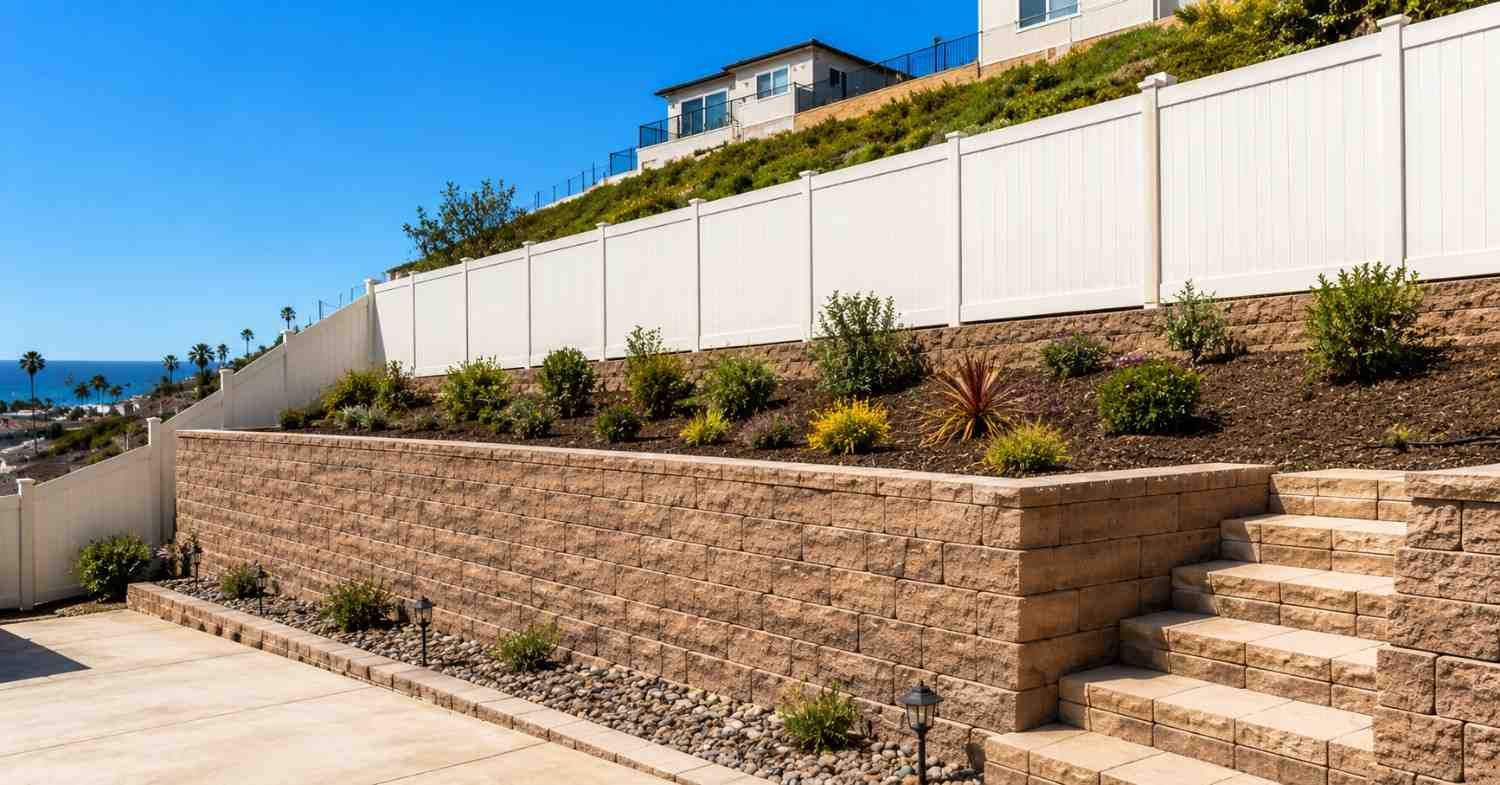
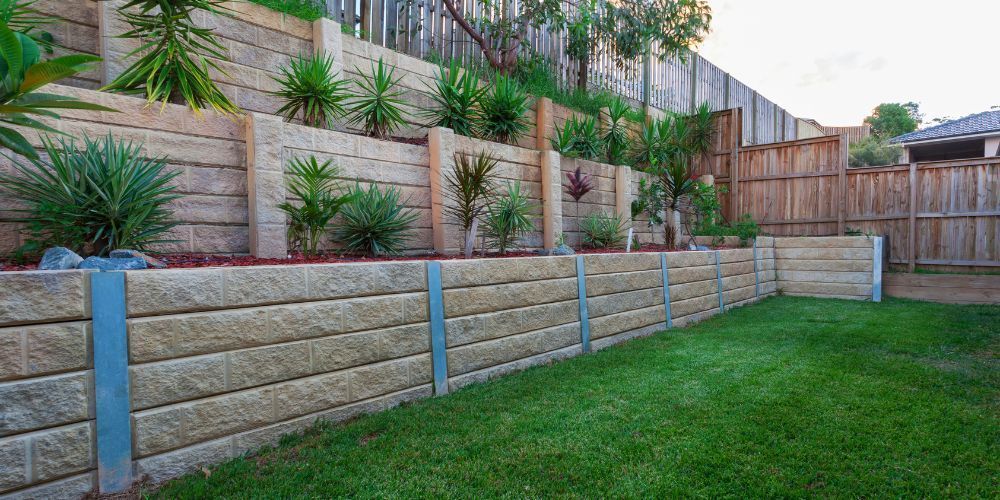
- Retaining walls that support soil, control gradients, and prevent shifting
- Steps and landings that manage elevation changes
- Outdoor structures such as fire features, kitchens, or seating walls
- Drainage measures that direct water and mitigate erosion
Hardscape systems provide the structural foundation for outdoor use. They are intended to remain stable over long periods under seasonal stress, which separates them from softscaping activities such as planting.
How Hardscape Design Improves Spatial Organization
Hardscape planning establishes layout and circulation that make outdoor spaces easier to use. It separates high-traffic areas from vegetation and prevents inconsistent wear.
Benefits include:
- Defined space allocation, avoiding random footpaths across the soil
- Activity zoning, such as dining, play, or relaxation areas
- Clear transitions between house exits, pathways, and the open lawn
- Improved visibility and wayfinding, especially in larger yards
- Prevention of compaction in planted zones
An effective organization reduces maintenance workload because usage patterns become predictable. When space is structured correctly, homeowners can expand activities without continually repairing turf or soil.
Durability and Long-Term Surface Performance
Hardscaping replaces soil or grass with materials engineered for weight, temperature fluctuation, and moisture.
Typical performance characteristics include:
- Resistance to freeze-thaw expansion
- Load capacity for furniture, foot traffic, or vehicles
- Reduced deformation, sinking, or rutting
- Surface stability for grills, heaters, and outdoor equipment
- Low material replacement rates
Durable surfaces reduce recurring upkeep. Instead of reseeding worn lawn patches or dealing with mud, a permanent surface supports year-round usability.
Drainage and Erosion Management
Hardscape installations help regulate water movement. When graded correctly, paved surfaces, walls, and channels direct runoff away from structures, limiting moisture accumulation and soil displacement.
Common applications include:
- Retaining walls that halt slope erosion
- Permeable pavers that allow surface infiltration
- Channel drains near patios or driveways
- Edge restraints that prevent material migration
- Elevation planning around foundations
Improved drainage protects property over time. Reducing water intrusion also stabilizes planting beds by preventing washout and root exposure.
Safety and Accessibility Enhancements
Hardscape features improve outdoor safety by establishing secure footing and clear movement paths.
Relevant improvements involve:
- Steps and ramps that accommodate elevation change
- Non-slip paver textures
- Defined walking lines that discourage unsafe shortcuts
- Level surfaces for furniture, appliances, and play areas
- Optional lighting integration along walkways
These factors are important for households with mobility considerations, nighttime use, or uneven terrain. Structured circulation reduces the likelihood of falls associated with irregular ground.
Expanding Usable Living Area
Hardscaping converts outdoor square footage into a practical living space. When surfaces remain level and clean, homeowners can extend seating, dining, or workspace outdoors.
Examples include:
- Patios serving as outdoor rooms
- Cooking stations that function like auxiliary kitchens
- Fire pits supporting seasonal use
- Seat walls replacing standalone furniture
- Low-maintenance entertainment areas
Because surfaces stay stable, they support consistent furniture placement and do not require seasonal teardown.
Maintenance and Lifecycle Considerations
Hardscape features require minimal recurring maintenance compared to turf-based areas. Most tasks involve surface cleaning and joint preservation rather than soil care.
Routine actions may include:
- Periodic washing to remove debris
- Joint sand replacement for interlocking pavers
- Inspection for settlement or shifting
- Weed restriction in perimeter joints
- Surface sealing where appropriate
Reduced maintenance does not eliminate inspection. Homeowners should confirm that drainage paths remain unobstructed and that vegetation at edges does not undermine stability.
Material Selection and Suitability
Hardscape performance depends on correct material choice. Each surface responds differently to temperature, moisture, and load conditions.
Typical materials include:
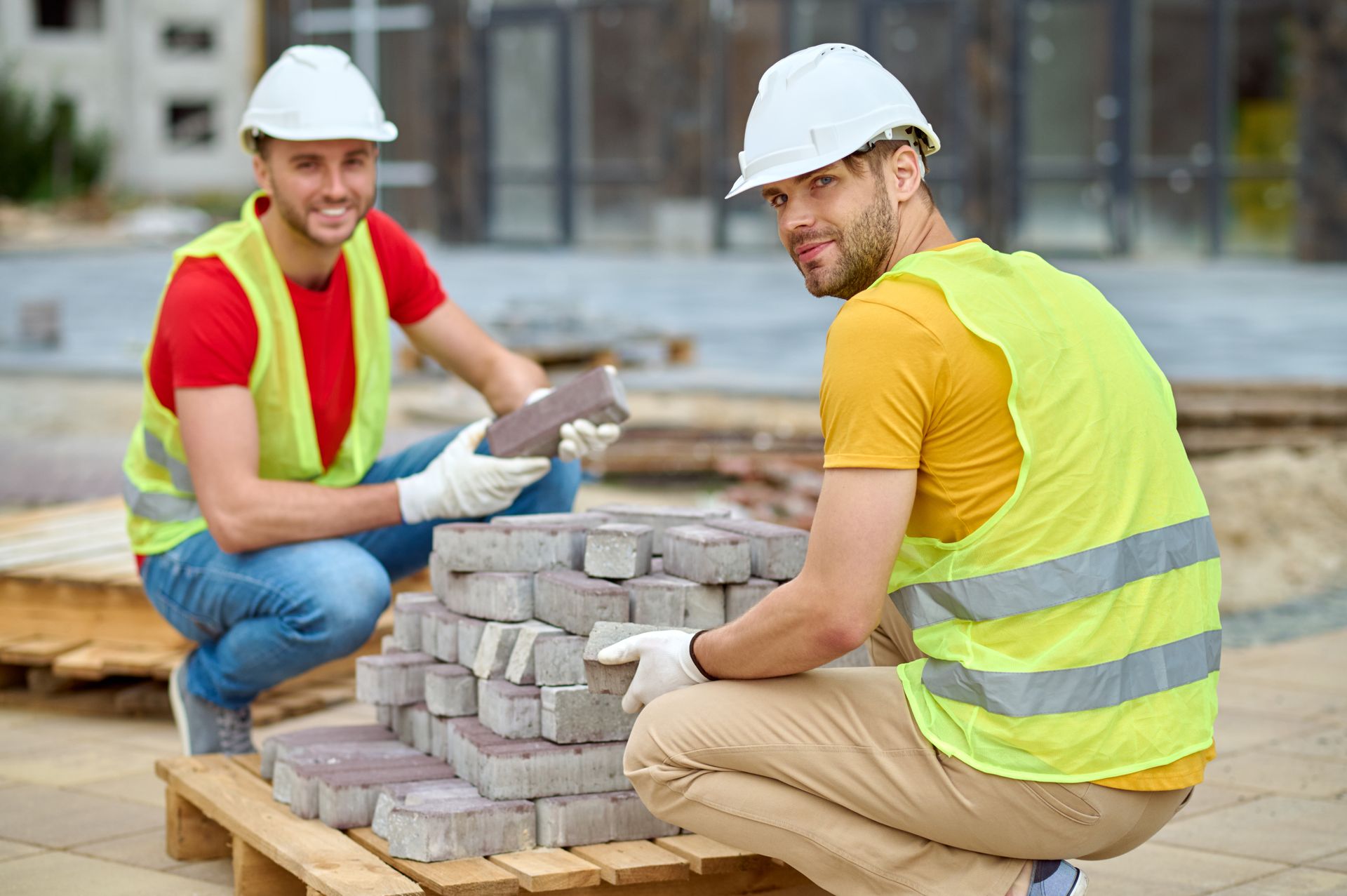
- Concrete pavers for modular installation and repair access
- Natural stone for a high-durability surface life
- Stamped concrete for monolithic pours with surface texture
- Brick for uniform structural patterning
- Segmental block systems for retaining applications
Material selection should align with climate, soil behavior, and expected activity. The goal is structural consistency rather than aesthetics alone.
Functional Treatment of Sloped Properties
Hardscaping is a primary method for stabilizing inclines. Without grade control, slopes can limit accessible use.
Slope applications include:
- Tiered retaining walls create flat usable terraces
- Steps replacing unsafe inclines
- Erosion control behind walls
- Defined planting zones that benefit from improved soil holding
- Safer transitions between the house and the yard
This allows properties with uneven ground to support recreation and seating instead of losing area to unusable hillside.
Value-Based Considerations for Homeowners
Hardscaping is often evaluated in terms of functionality rather than appearance. Its practical value is tied to measurable usability improvements.
Homeowners typically assess:
- Surface lifespan
- Reduction in turf damage
- Lower annual maintenance inputs
- Improved stormwater handling
- Compatibility with outdoor cooking or seasonal heating
- Elimination of mud-related tracking on indoor floors
These outcomes accumulate over time. The reliability of constructed surfaces can reduce seasonal disruptions, which is beneficial for long-term property planning.
Integration of Hardscape and Softscape
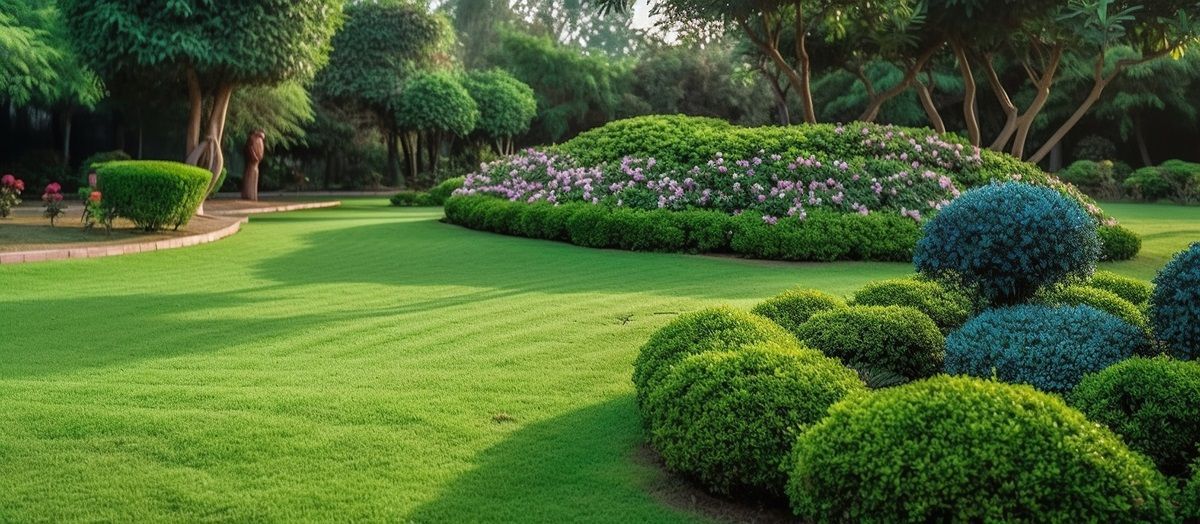
A balanced landscape uses hard materials for structure and planting for environmental performance. Neither activity replaces the other.
Combined methods include:
- Borders preventing turf encroachment on hard surfaces
- Planting beds that soften visual boundaries
- Shade planning to limit heat retention on pavers
- Runoff directed toward vegetated filtration zones
- Root selection that avoids structural displacement
Integration increases stability while maintaining natural elements. Plants manage heat, infiltration, and habitat while hard surfaces support activity.
Working With Professional Hardscape Landscaping Providers
A professional approach ensures that site surveying, soil evaluation, and load planning are handled systematically. This reduces the risk of settlement or improper drainage. A company such as Landtech Scenery can evaluate compaction requirements, substrate preparation, and installation sequencing.
Professional oversight typically covers:
- Base depth based on soil density
- Compaction standards
- Joint stability management
- Slope calculation
- Perimeter restraint installation
- Water flow redirection
The objective is structural endurance. Without technical preparation, paved surfaces may heave, crack, or channel water toward structures.
Hardscape Landscaping for Long-Term Outdoor Functionality
Professional hardscape landscaping extends the usable life of exterior environments. The structural stability of paved areas supports predictable movement, equipment placement, and seasonal continuity. This allows outdoor planning that behaves more like an interior space.
When correctly installed, hardscapes reduce maintenance inputs, addresses drainage conditions, and increases overall space efficiency. This supports predictable outdoor routines without soil disruption.
What to Expect From Hardscape Landscape Services Over Time
Hardscape landscape services are designed around lifecycle performance rather than surface decoration. Over time, properly constructed systems:
- Retain structural shape
- Withstand traffic
- Preserve grade
- Manage water without manual diversion
- Minimize unexpected repair cycles
Consistency is a primary benefit. When slopes hold, surfaces remain level, and edges stay reinforced, outdoor areas function dependably across seasons.
Frequently Asked Questions
What distinguishes hardscaping from landscaping?
Hardscaping refers to constructed, non-plant features such as patios, walkways, or walls, whereas landscaping also includes soil preparation and planting.
Do hardscape patios require a concrete base?
Many installations use compacted aggregate bases rather than poured slabs, depending on material and load expectations.
How long does a retaining wall typically last?
Segmental block systems are engineered for long-term performance when installed with proper drainage and soil reinforcement.
Can hardscape help manage heavy rainfall?
Yes. Proper grading, wall drainage, and channel routing can move water away from structures and reduce erosion.
Are permeable pavers useful in residential projects?
They are suitable when infiltration is desired for stormwater control or when local regulation encourages reduced runoff.
Will a hardscape installation damage nearby trees?
Root evaluation is required. The layout should avoid compaction or excavation that affects major structural roots.
Does a hardscape surface require seasonal storage of furniture?
No. Stable surfaces support stationary outdoor furniture without soil impact.
Is sealing mandatory for hardscape materials?
Sealing depends on material type and exposure. Some products benefit from sealants to reduce staining or moisture absorption.
Final Thought
Hardscape improvements provide structural reliability and practical space organization. The most effective systems match material characteristics with site conditions and long-term functional expectations. Homeowners can assess needs by focusing on durability, drainage, and year-round usability rather than short-term appearance.